Dogwood
In February 2019 our research assistant Georgia Smith accompanied the Dolphin Swim Club’s Marijke & Benno to California to start a collaboration with the Chariot Project in Stanford Children’s Hospital. Georgia is an MSc Human-Animal Interaction student from the University of Stirling (UK), and was provided with a scholarship by SCAS
During her research at Stanford, Georgia came into contact with Melissa Winke.
Melissa is the owner of Dogwood Therapy Services and President of Animal Assisted Intervention International.
She was very interested in her patients swimming with our wild dolphins.
And so Georgia and the dolphins made their way to Albuquerque!
“The dolphins are amazing. I can see the applications for this could be huge for so many people.”
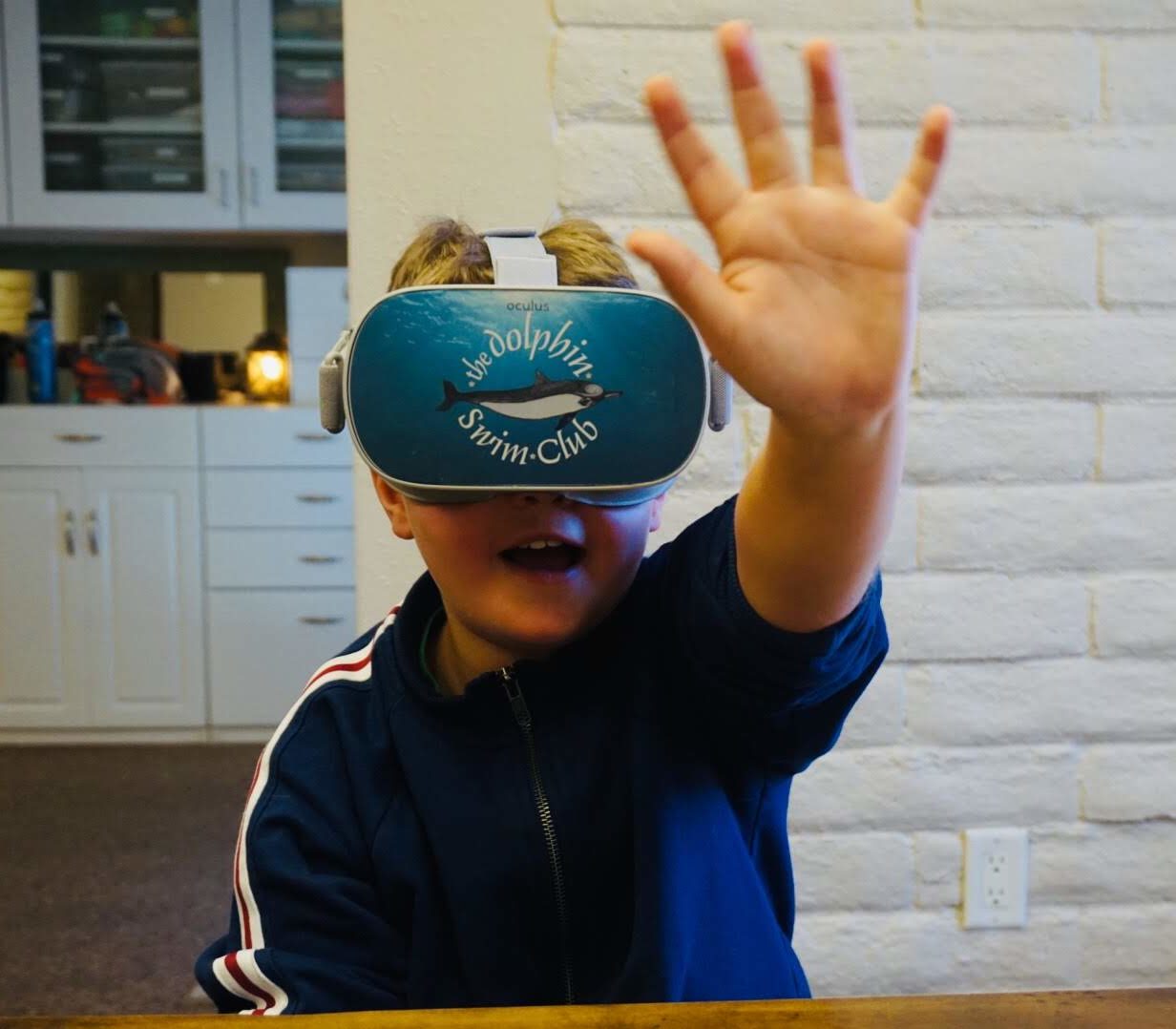
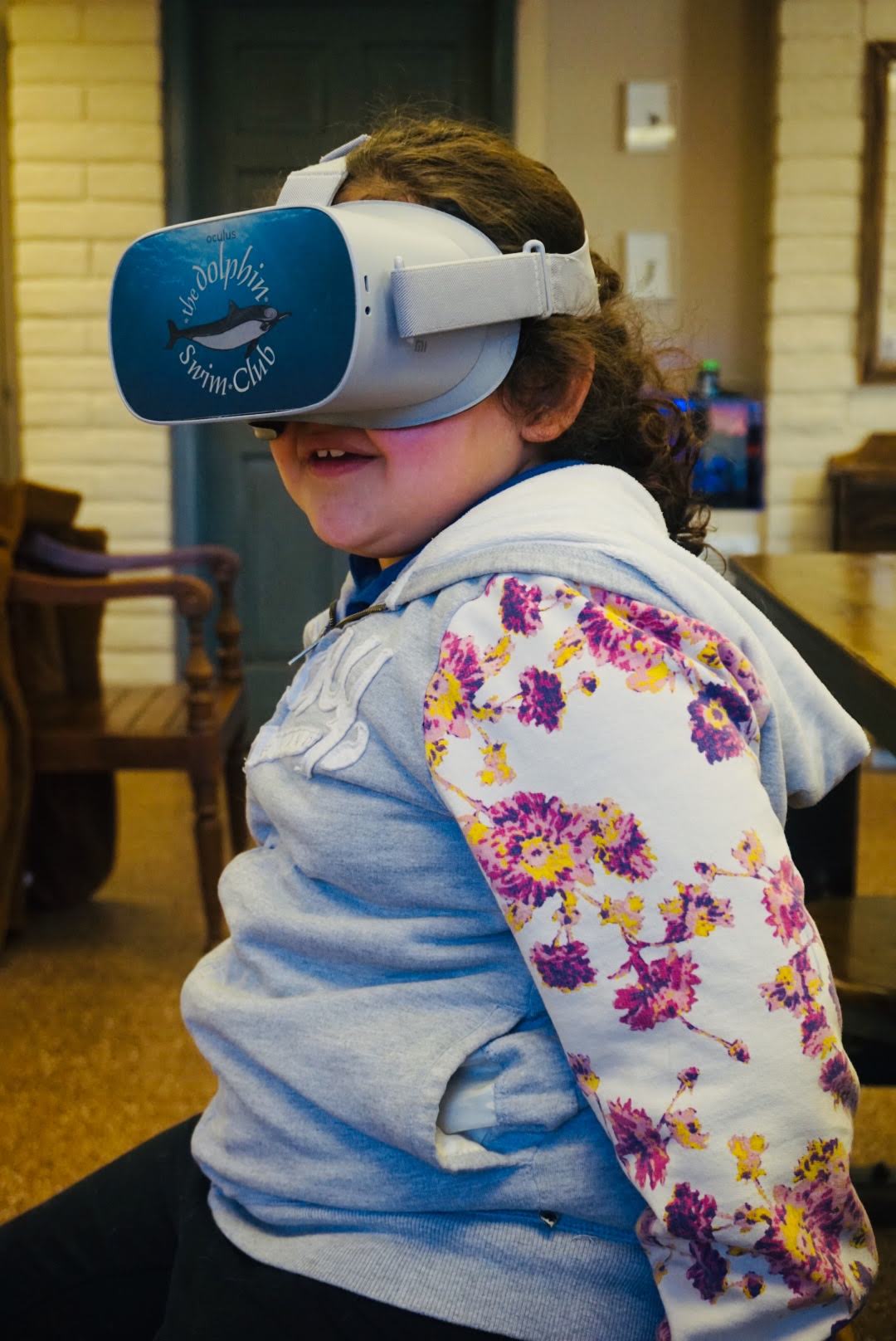
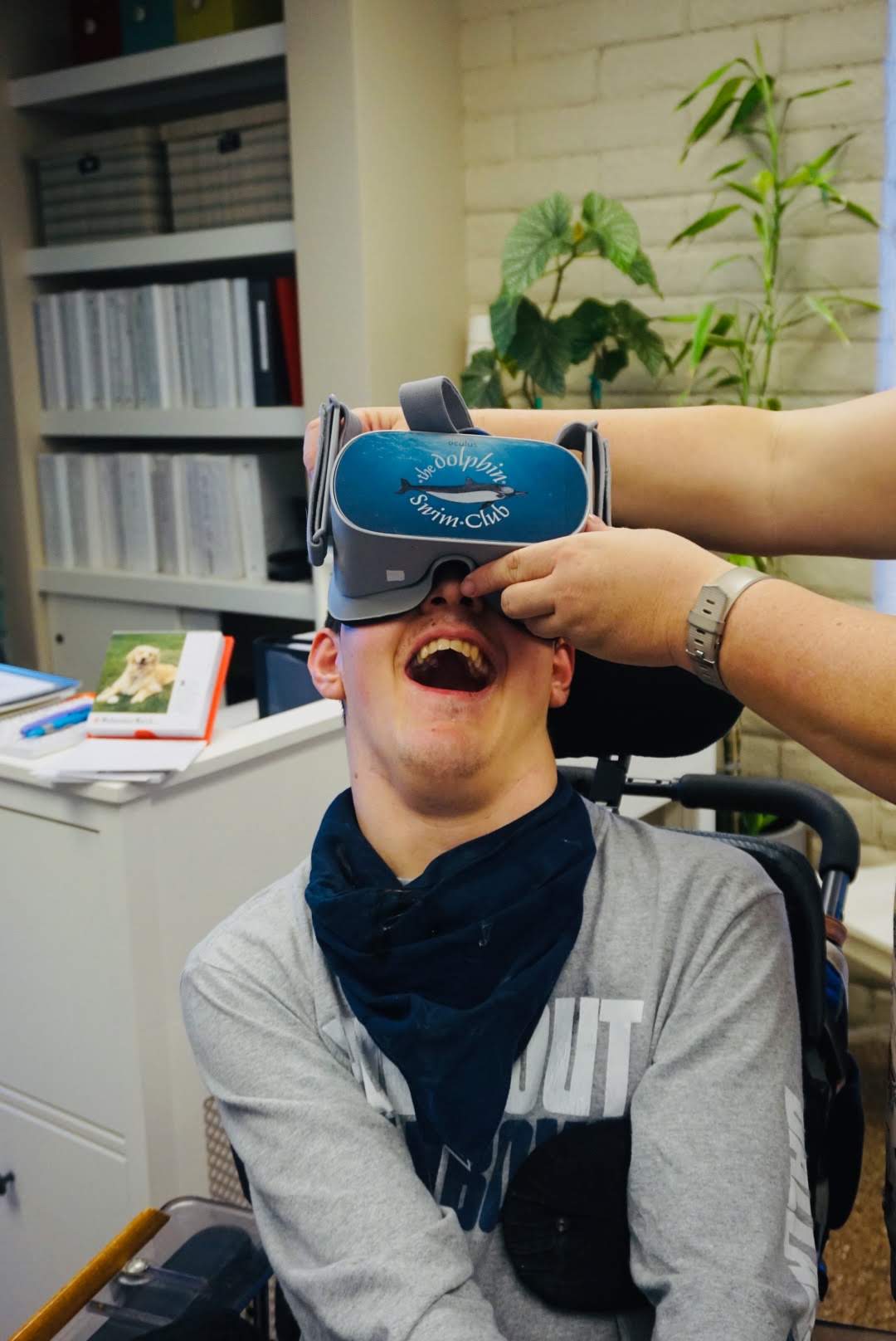
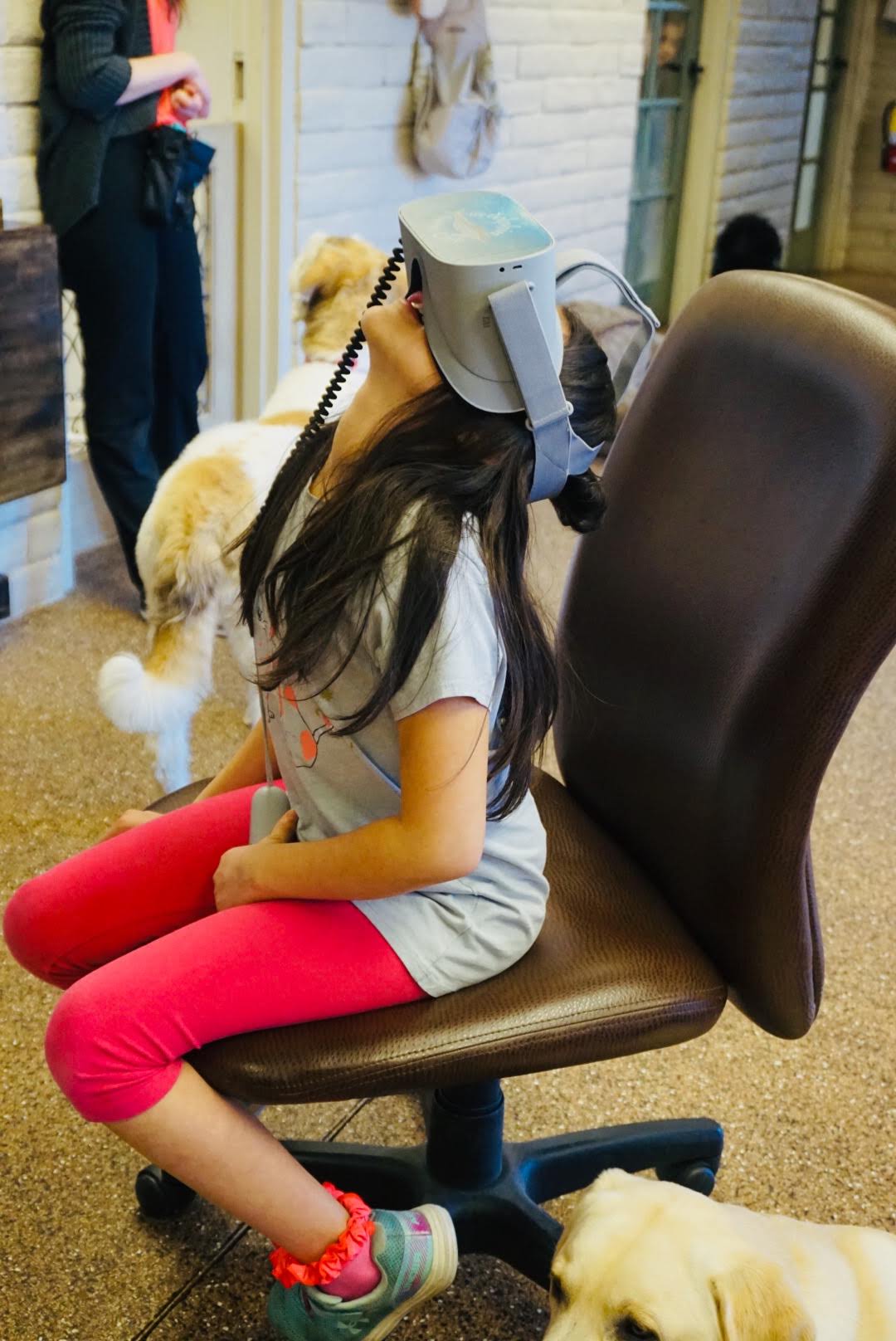
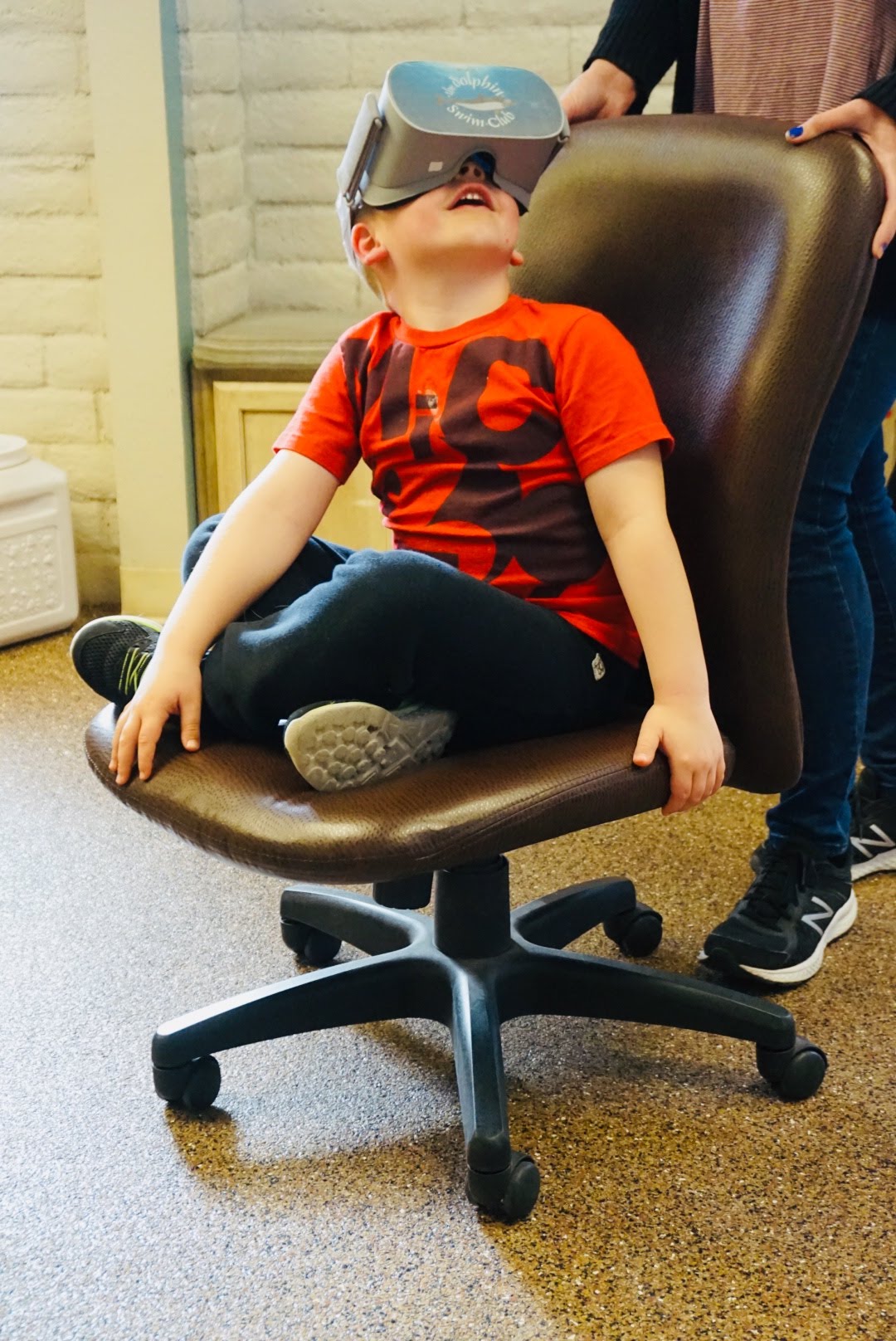
Dogwood works with people with a variety of disabilities, to participate in activities that are meaningful to them regardless of physical, cognitive or psychiatric disabilities. Georgia helped 22 of their patients to experience the virtual wild dolphins. It turned out the be a special day with so much joy!
Wild dolphins in Albuquerque
Georgia prepared a questionnaire about how the children experienced their first encounter with our wild dolphins. And while some of them were initially worried about sharks, they all had a wonderful time.
“You really feel like you are there.”
“The dolphins are cute – I like that the divers are saving us from the sharks.”
“I felt my breathing slow and calm. It made me want to go to a lake where we always used to go to. It brought back memories of that.”
And their reply to the question if they would like to do it again?
“Oh my god, thousand times over, every day!”
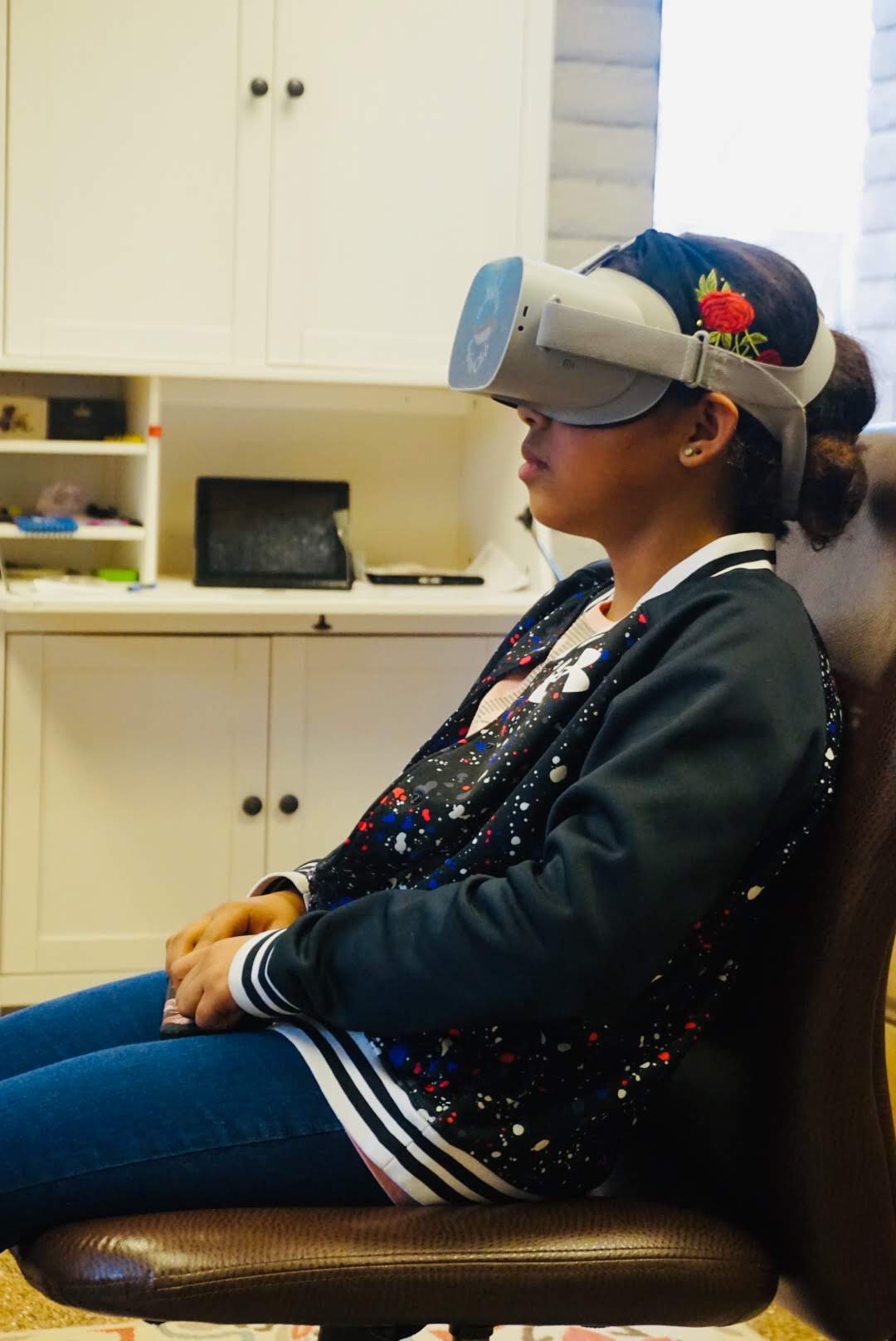
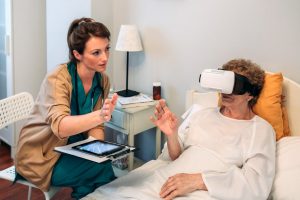
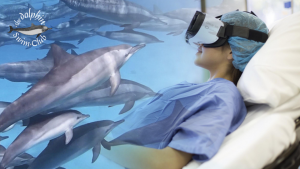 Over 150 hospitals and healthcare institutions worldwide provide the Dolphin Swim Club’s Wild Dolphin VR therapy. This Dutch / Swedish initiative proves to be successful for adults and children suffering from mental disabilities or autism. Starting this week, 10 Dutch hospitals will use so-called dolphin therapy. But the Dutch initiative is popular in the United States as well. In the Stanford medical centre, children undergoing heart surgery swim with dolphins before the procedure. And the wild dolphin VR has proved popular with patients suffering from chronic pain at the Cedars-Sinai Hospital in Los Angeles.
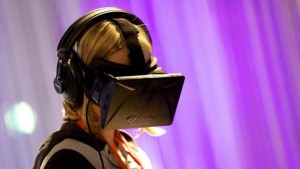 The hospital UMCG in Groningen shows interest in the Virtual Reality project of the Dolphin Swim Club. They have developed a programme that makes it possible to actually swim with dolphins. The art project also has a scientific impact. Swimming with dolphins is sometimes used as a form of therapy, especially for autism and depression. The content of the Dolphin Swim Club is filmed so realistically, patients feel as if they truly swim with the dolphins and that should have a positive effect on the treatment. The UMGC will investigate the results of the programme over the next two years.
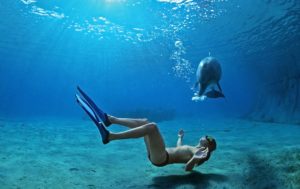
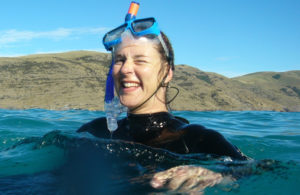 Swimming with wild dolphins. This activity tops the bucket list of many people. The Dolphin Swim Club developed Virtual Reality goggles to make this possible from the comfort of your own home. The project helps fund scientific research into Virtual Reality applications in healthcare.